About us
Free, step-by-step written guides and videos for emergency department procedures, made by emergency clinicians for emergency clinicians. We are led by Sydney-based emergency physicians and governed by Emergency Procedures Limited, an independent not-for-profit company.
Many important procedures are done rarely. Skills fade, and the moment you need them is often the moment you have least time. Our guides are built for both: learn each procedure the right way in your own time, then refresh it just in time, at the moment you need it. That is just-in-time training.
Secondary research, done properly
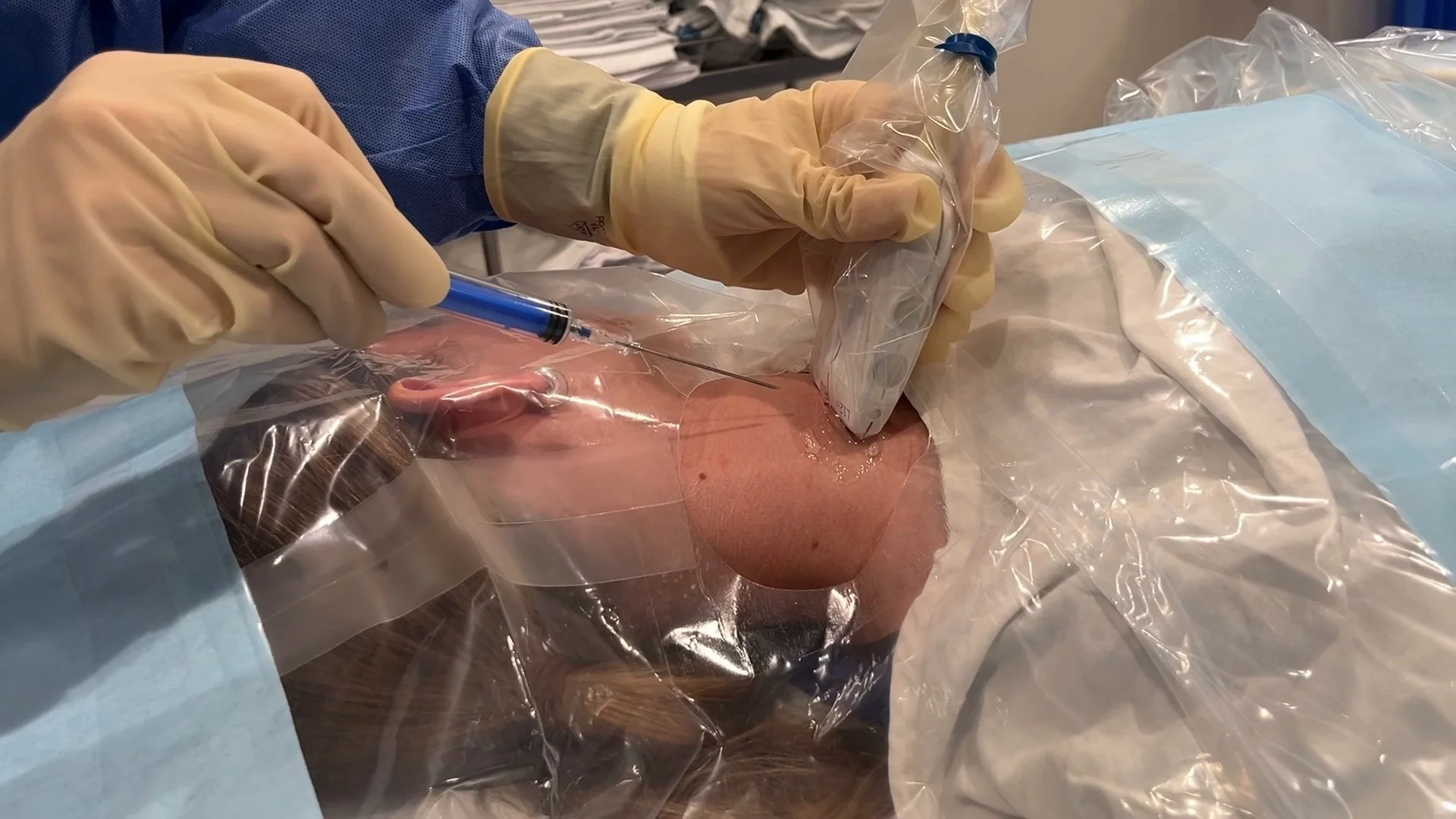
We focus on gathering the evidence that has already been published and combining it into one clear, practical guide: the best of evidence, combined with the best of common sense.
How we search. Every guide starts with a structured search of PubMed, Embase and the Cochrane Library, widened with Semantic Scholar and citation tracking from key guidelines and reviews. We then run AI-assisted systematic reviews in Elicit to find, extract and compare findings across large numbers of papers. AI widens the search; our authors and reviewers make every judgement.
How we rank sources. International consensus guidelines first, then national guidelines, systematic reviews and high-quality studies, core emergency medicine references, and proven local policies.
Many procedural questions have little strong evidence. Where it runs out, expert consensus fills the gap, which is why our broad review network matters.
Our review pathway
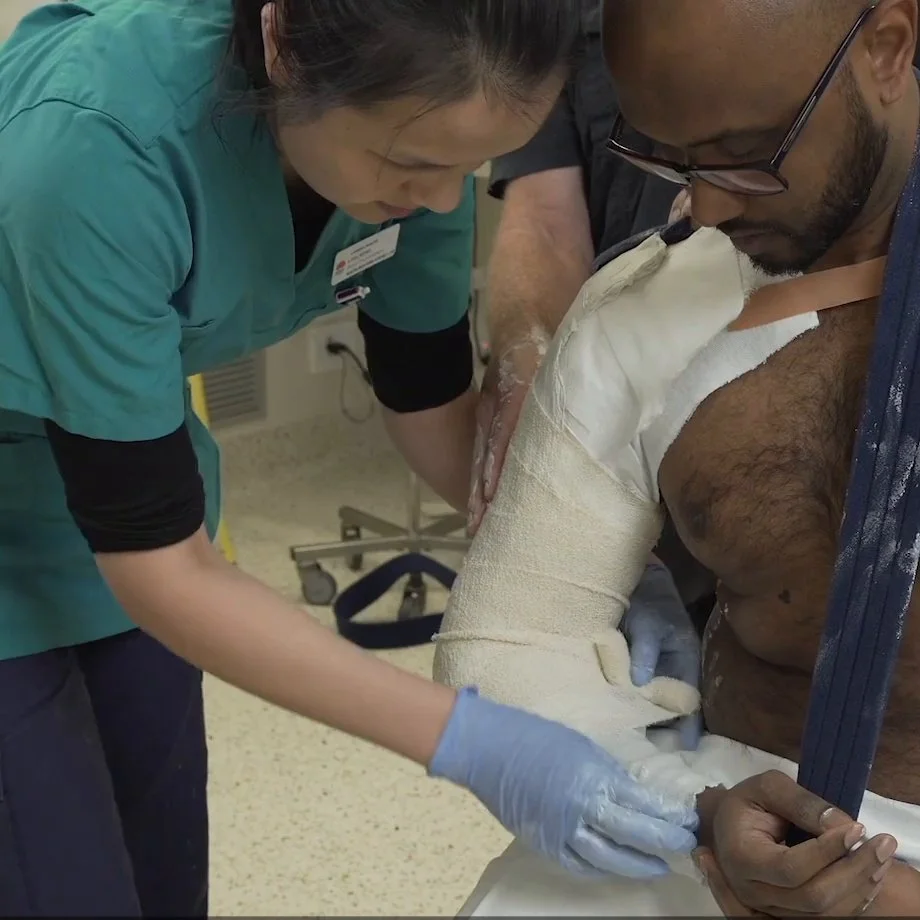
1. Two authors. A primary author reviews the literature and drafts the guide. A second author revises it with them.
2. Invited experts. Topic experts, often authors of the key papers, review the draft.
3. Video. The written guide becomes the script for the video. Text and video are reviewed together, as one resource, at every stage.
4. Panel review. Our editorial panel, then local, national, international and specialist panels: more than 50 senior clinicians, including emergency physicians, retrieval specialists, paramedics and nurse practitioners.
5. Public peer review on a world stage. The draft is published on Life in the Fast Lane for about a year of open review by frontline clinicians worldwide. Every comment is logged and considered.
6. Final sign-off. The editorial team reviews every comment from public review and signs off the final guide and video.
Published widely, kept current. The same approved version appears in our app (Apple, Google Play and online), on YouTube and Vimeo, and within NSW Health. Feedback is acted on within two months, new evidence triggers an update within two months, and every guide is fully re-reviewed every three years.
Hosted within NSW Health (CIAP). Public peer review on Life in the Fast Lane.
The team
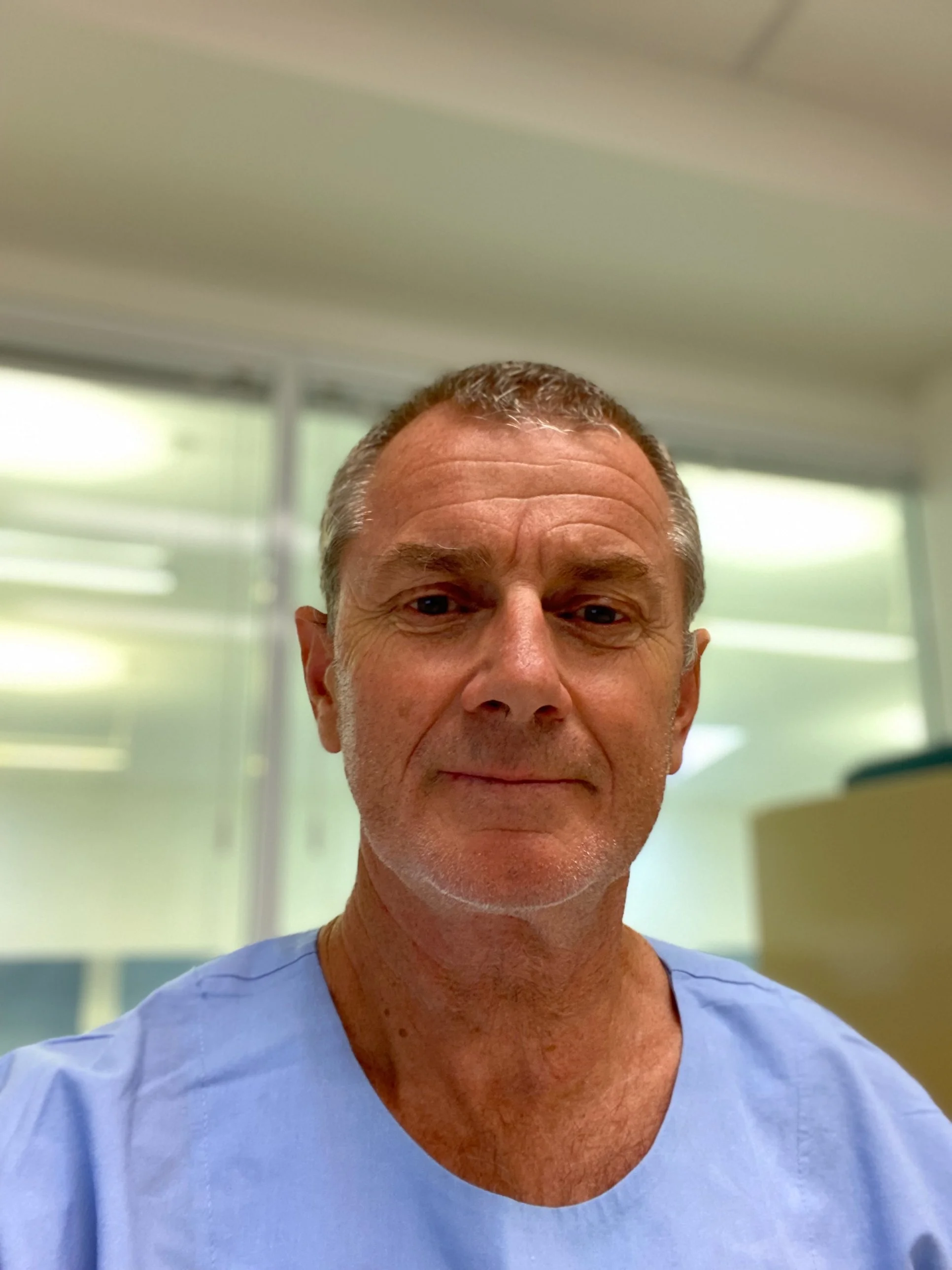
John Mackenzie
Co-founder. Senior staff specialist in emergency medicine (FACEM). John has made emergency medicine education videos for 30 years, including for the College's Diploma of Emergency Medicine and across NSW Health. His is the best-known voice in emergency medicine education in Australia.

Brent Maxwell
Co-founder. Brent has a background in IT, as chief technology officer for major companies, and has founded businesses and worked in venture capital. He advises and manages Emergency Procedures on the technology and business side.

James Miers
Co-founder and lead author. Staff specialist in emergency medicine (FACEM). James has a history of running with the ball a long way and refusing to give up. He is keen to rigorously extend high-quality emergency care to places that don't have the same resources.